Why Dont Revino Bottles Have a Notch?

The Weight of Tradition: Why Heavyweight Bottles are Passé
January 7, 2026
Beyond the Bottle: Why Revino Joined the B Corp Revolution
March 20, 2026Why Dont Revino Bottles Have a Notch?
When we began designing the first standardized reusable wine bottle in the United States, we knew we weren’t simply shaping glass, but an entire system. Every design decision had to serve something larger than a single bottling run. It had to serve a second use, and the third… and the fiftieth.
That’s why one of the most common industry questions we receive is: “Why don’t Revino bottles have a centering notch (a.k.a. ‘spotting lug’) for label alignment?” This opens the door to a much bigger conversation about what it truly means to build a circular economy.
On many traditional single-use wine bottles, you’ll find a small indentation at the base, a variation of the punt designed to help orient bottles during high-speed labeling. In large-scale, linear production systems, this feature can assist mechanical alignment with bottle features such as cartouch designs, ensuring consistent label placement as bottles move rapidly down the line. It’s an innovation rooted in efficiency for a very specific manufacturing model: fill once, ship once, discard.
Reuse demands a different lens.
When we set out to build what we describe in our Reuse Ecosystem, we asked a broader question: not how quickly can a bottle move through a single production cycle, but how intelligently can it move through dozens. A notch may offer incremental alignment assistance, but it also requires more material. In our case, a lug would require an additional 30 grams of glass per bottle. In a single-use system, that weight may seem insignificant. In a reuse system designed for up to 50 rotations, those extra glass compounds increase production inputs, transportation emissions, and return logistics impact over the lifetime of each bottle.
Circular design requires discipline. Sometimes the most sustainable choice is not adding another feature, but thoughtfully removing one.
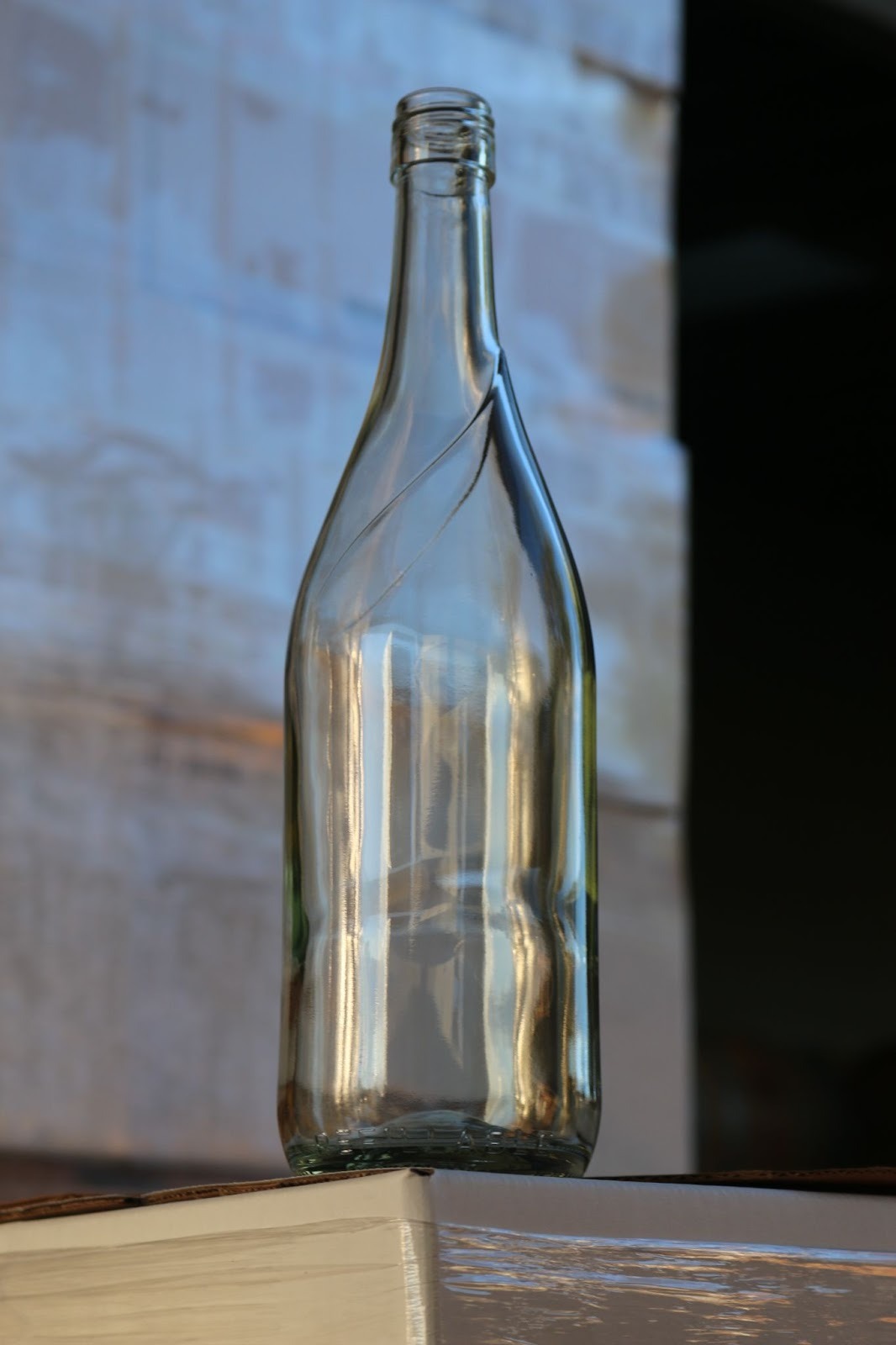
The Revino bottle was engineered from the ground up for durability and longevity. Its slightly thicker walls and gently rounded base provide the structural integrity required for repeated wash cycles without compromising performance. Our standardized Burgundy mold was intentionally selected because it integrates seamlessly into existing bottling infrastructure. The Revino Burgundy bottle was designed to mimic the 501828 and 501831 (Cork/Stelvin), the most commonly used types of Burgundy molds in the Willamette Valley. Modern bottling lines rely on belts, guides, and optical systems to achieve precision, and in real-world trials with our winery partners, the absence of a notch has not created operational disruption.
In fact, something unexpected happened during early production runs in Oregon’s Willamette Valley.
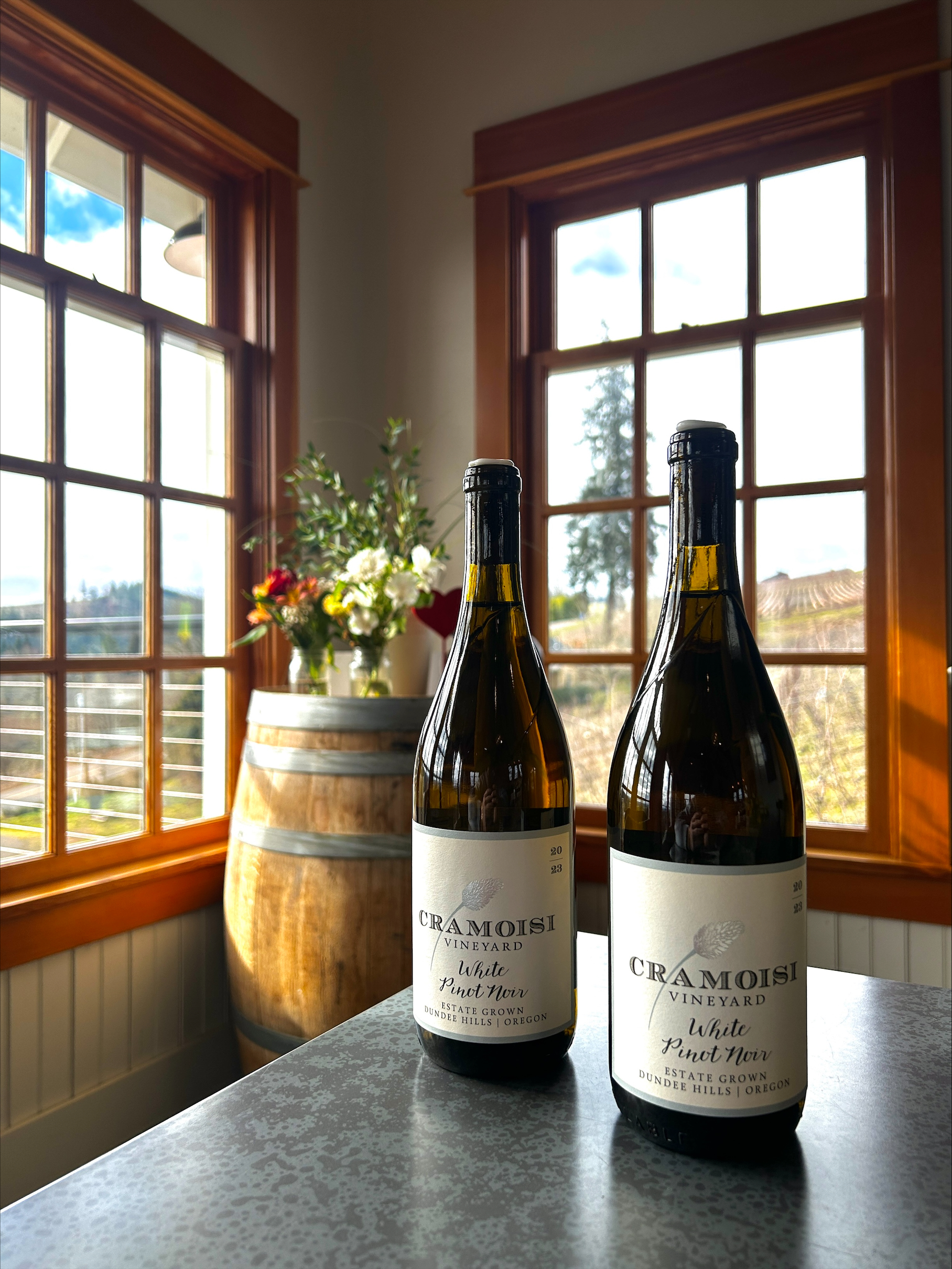
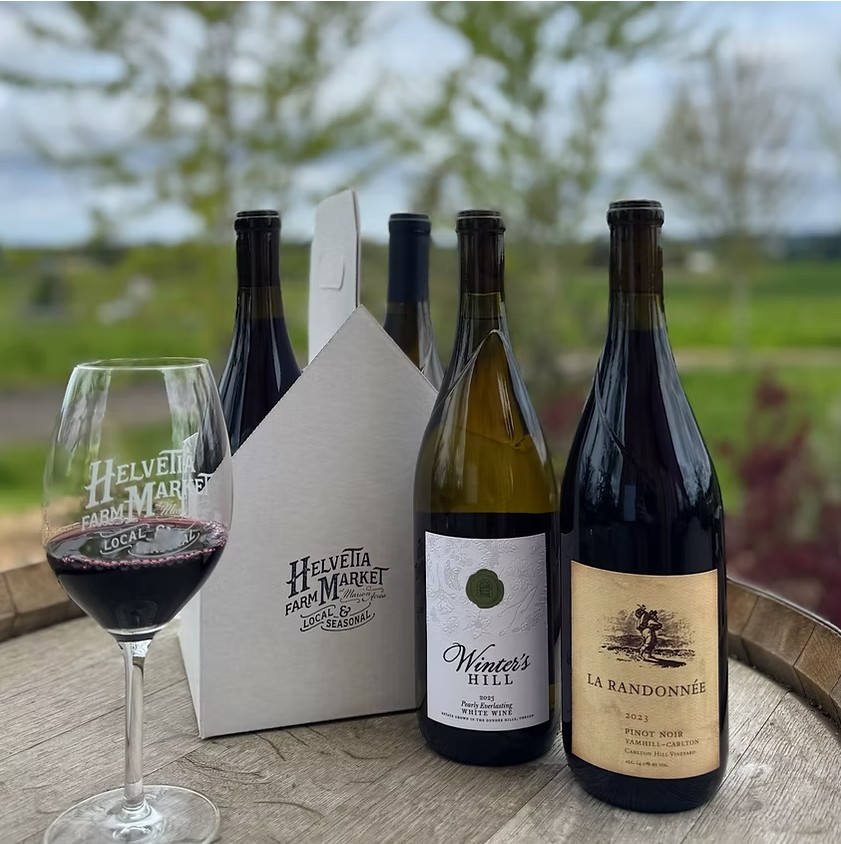
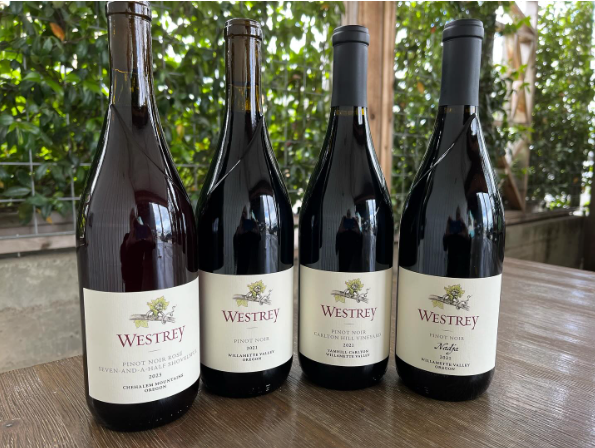
Before our first partners labeled the bottles, there was natural curiosity about how the finished product would look. Without a rotational index, would labels feel misaligned? Would the presentation suffer? Instead, what emerged was something far more compelling. Because each Revino bottle carries a subtle leaf motif sweeping across the shoulder, a detail designed to signal its place within a shared reuse ecosystem, slight variations created a unique visual relationship between glass and label. The motif caught light differently from bottle to bottle providing a glimmer of texture to an otherwise ‘typical’ tasting room display. The result is a more organic, engaging visual. Generally, the bottle has been very positively received, and a few partners have shared they preferred it when considering retail placements, where a cluttered, competitive environment pulls consumer eyes in every direction.
Wine is not a commodity beverage plucked off a shelf by barcode symmetry. It is chosen for a broad range of reasons: sometimes catching the eye of a fun label or bottle, and throwing it in the cart. In other cases, bottles are turned in the hand, appreciated for nuance and labels are scoured for details. In either instance, uniformity is rarely what defines a premium experience, and a unique, eye-catching texture can be the difference between glossing over a bottle or pausing for a second look. Thoughtful design matters.
That philosophy guides every element of the Revino system. From the “REFILLABLE” embossing at the base to the development of a growing return network in Oregon and beyond, as outlined on our Returns Page. Our priority has always been to build infrastructure that lowers emissions, reduces waste, and strengthens collaboration across producers, retailers, and consumers alike.
The absence of a notch is not an oversight, it is a reflection of that philosophy.
Glass weight is one of the primary drivers of packaging emissions in the wine industry. When recycling rates in the United States remain below 31%, and a significant share of wine’s carbon footprint is tied to packaging production, the smallest design decisions begin to matter. By eliminating unnecessary material, we reduce manufacturing inputs, shipping burdens, and long-term lifecycle impact, all while maintaining the structural performance required for reuse.
Great design often feels invisible. It doesn’t announce itself. It simply works. Our bottles were never intended to be used once. They were designed to return. To circulate. To quietly support a more regenerative system for wine.
So no — Revino bottles don’t have a notch. Because we’re not designing for a single moment on a production line. We’re designing to grab attention, drive consumer engagement and support the long arc of reuse for a brighter future.
Enjoy. Return. Repeat.
ABOUT REVINO: Revino provides wine bottle reclamation and sanitation services to Oregon wine producers while building a robust local and sustainable glass supply network. Their process operates in an infinite loop starting with bottle manufacturing and distribution, moving to consumption and redemption, and ending with bottle sanitization and reuse. Through their revolutionary RGBs and certified quality washing processes, Revino empowers wineries to embrace sustainability and make a significant positive impact on the environment.
For media inquiries, please contact:
Sarah Reid / PR for Revino
sarah@revinobottles.com